

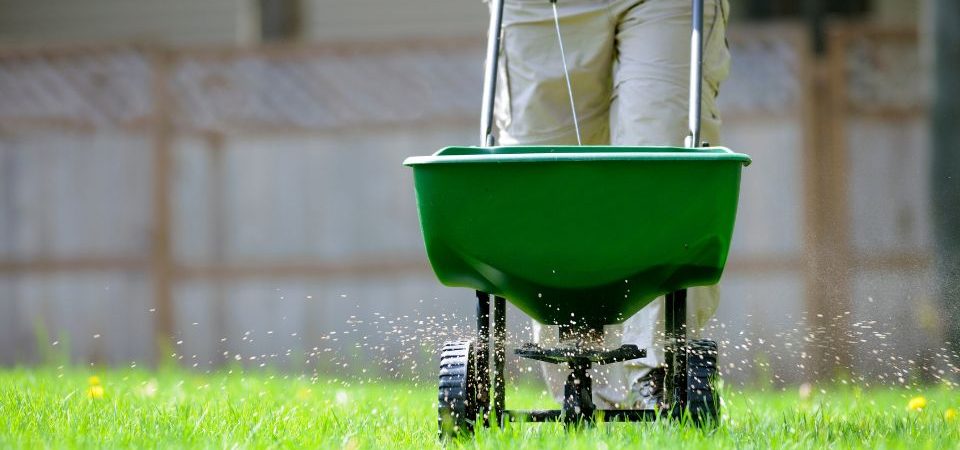
Watering and weeding: how to have a thick, lush lawn in spring
A tidy, bright green lawn is perhaps one of the most eye-catching features of a garden - especially in a small Budapest yard where every square metre counts. A well-maintained lawn is not only beautiful, it's also useful: it feels good to step on it barefoot, and the smell of a freshly mown lawn is inimitable.
But how does this become a reality - especially if the current state is rather patchy, faded or compacted?
In this guide, we'll walk you through how to approach the for grass and lawn fertilisationif you want to get started yourself. And we'll also show you where a skilled gardening team can come in handy.
Why is lawn renovation important?
After the winter months, many garden owners are faced with the problem of a weak lawn: bald patches, yellowing, moss and uneven growth. Although these are aesthetic problems, a weak lawn is less resistant to weeds, disease and trampling.
The aim of turf renovation is to restore the health and density of the grass. This requires three important steps:
- Grassing / Seeding: Bald patches are replaced with grass seed to ensure that the lawn grows evenly.
- Nutrient supplementation: Fertiliser is used to help strengthen the roots and make up for nutrient deficiencies.
- Soil decomposition: Aerating the lawn helps to give the roots better access to water and nutrients.
These steps will ensure that your lawn is stronger, healthier and more resilient next season.
When should you start?
Spring is the best time for both for grass, both in for lawn fertilisation. The ideal period is from the end of March to the beginning of May, but it is important to pay attention to the soil and weather conditions.
When is soil ideal?
- The danger of frost has passed: As the germination of grass seeds slows down or stops in cold soil, it is important that the soil is no longer frozen. To avoid overnight frosts, the ideal time for spring grass seed sowing is usually between late March and mid-April.
- Soil moisture content is adequate: The soil should neither be too wet nor completely dry. Soil that is too wet can easily become compacted and does not provide adequate ventilation for the roots. If too dry, the grass seed cannot germinate properly. It is best if the soil is slightly moist but not soggy.
- Temperatures are above 10-15 °C: This is the ideal temperature for grass seed germination. Too low a temperature is not good for grass, as the seeds cannot germinate properly, while higher temperatures can cause too rapid a loss of water, which can hinder development.
Step by step: how to lawn at home?
Lawn care may seem simple at first - just scatter the seed and you're done. But if you want your grass to grow be really thick, long-lasting and even, it is important to follow some basic rules:
1. Preparation: soil loosening and aeration
If you already have an existing lawn, first ventilate - to remove the felt layer and loosen the soil.
If you are planting new grass, dig up the whole area, rake and Smooth it out. the surface so that the water doesn't stop anywhere.
2. Choosing grass seeds
Choose the right grass seed mix for your garden:
- For sunny areas a sun-loving mixture,
- for shadier gardens shade tolerance,
- for intensive use (for children, pets) and hard-wearing types.
Don't skimp on quality - it's worth it in the long run!
3. Cutting and rolling
Spread the grass seed crosswise (first lengthwise, then crosswise) to achieve an even distribution. Then rake in very lightly (1-2 mm deep), then Roll it down - so the seed will be in contact with the soil, which is essential for germination.
4. Irrigation
This is a critical point! In the first 2-3 weeks water daily, preferably with a fine spray.
Keep the soil moist at all times, but not waterlogged - otherwise the seeds may rot.
When should you call a professional?
While you can do a small garden at home, there are times when you're better off leaving it to the professionals:
- If you are short of time, and you don't want to wait weeks for the perfect lawn.
- If damaged, shaded or problematic soil, and you don't want to try.
- If you want to be sure about for fast, even and long-lasting results.
An experienced gardening team will know the soil type, the best grass seeds, the right techniques - and they'll also take care of the aftercare to keep your lawn looking its best for the long term.